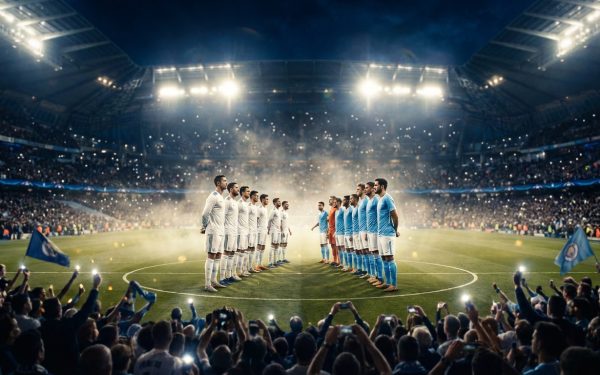

































































































































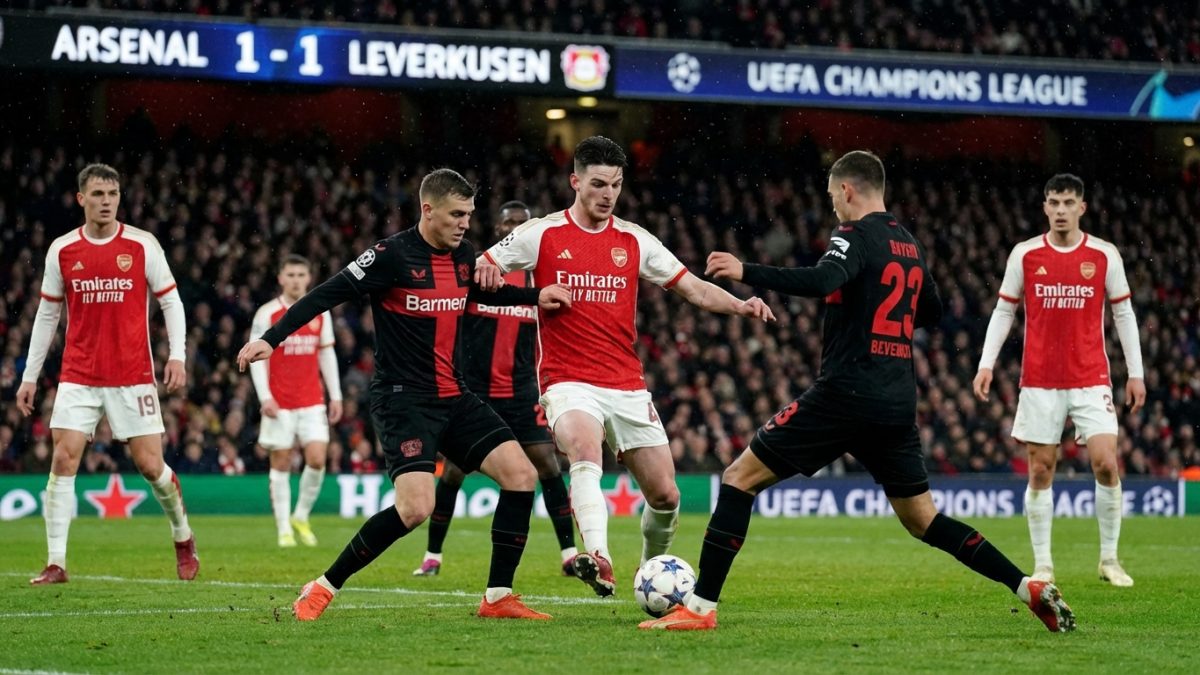
The Arsenal Leverkusen Champions League Round of 16 is the most tactically complex tie of the draw. Two high-pressing, structure-obsessed teams managed by coaches thinking about football in similar frameworks but arriving at different practical solutions. When systems this coherent meet, the margins are determined by one moment of imprecision in a specific zone — and identifying where that imprecision is most likely to occur is the entire tactical preparation problem.
The Problem With Pressing Against a Pressing Team
Leverkusen’s press is structured around specific trigger points absorbed at near-automation level. When the ball goes into the fullback in a particular body orientation, the nearest player commits. When the centre-back faces backwards, the second wave activates. Arsenal, who also press with a designed trigger system, will face a mirror with sharper edges. The team giving fewer triggers wins the midfield phase — and the midfield phase typically decides whether the match is tight or open.
Arteta’s typical adaptation for high-pressing opponents is to go more direct earlier — use the striker’s physical profile, play second balls aggressively, avoid the patient possession sequences that give an opponent’s press its activation moments. Arsenal’s midfield athleticism in winning second balls is their most underrated European asset. Against Leverkusen’s transitions it matters more than any individual technical quality. Check live Champions League scores on match night.
What a Compressed First Leg Produces
A tight, low-scoring first leg suits Arsenal. An open match suits Leverkusen. Both managers will design every decision around that specific frame. For Arsenal this is the match where the Arteta project either announces itself as genuinely elite or confirms it remains one step behind the continent’s best. Follow the Champions League table as the round of 16 resolves.