





























































































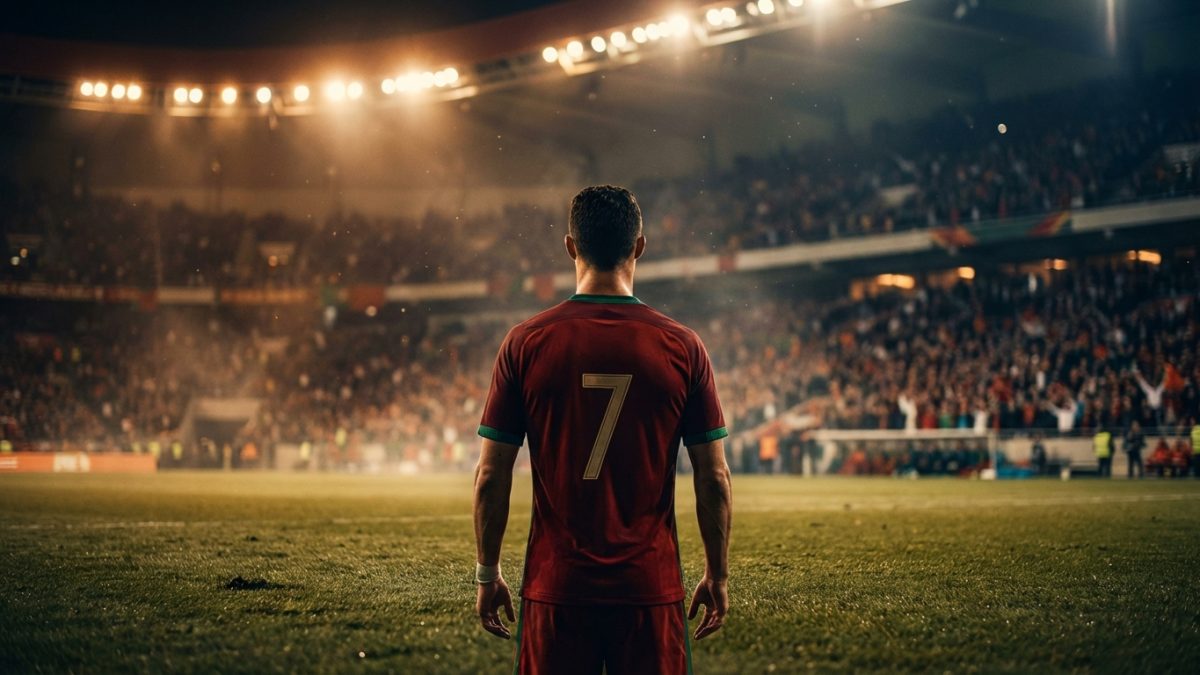
Cristiano Ronaldo last World Cup confirmation came plainly and without theatrical staging. At 41, having scored in every edition since 2006, the Portugal captain said it directly to the press: this is the end. What that means for football — and for the specific question of whether his story ends with the medal his career has been built around acquiring — is the conversation that begins now.
The Record That Is Already Settled
The international goalscoring record. Six consecutive World Cups with a goal in each. Longevity at elite level at 41, an age when most forwards have spent three years in decline. These are not just career statistics. They redefine what the body is capable of when surrounded by obsessive physical management and an absolute refusal to accept the conventional career arc. That part of the legacy is already complete.
The more interesting football question is what Portugal look like with him versus what they could become without him. Martínez has built a cohesive team around Bernardo Silva’s creativity and Rúben Neves’s organisational intelligence. Ronaldo’s integration requires compromise — a striker of his profile doesn’t press at the intensity the system demands elsewhere. Portugal accept that compromise for what they get in return: a player who scores in 24 consecutive major tournament knockout games. Follow Portugal World Cup fixtures and the route to the final.
The Improbable Final Chapter
A generation of supporters for whom Ronaldo and Messi organise their relationship with the sport are watching the final chapter. Messi has his medal. Ronaldo does not. The sport has always been hospitable to improbable narratives when the story is compelling enough. Check the World Cup group tables as they develop from June.