





















































































































































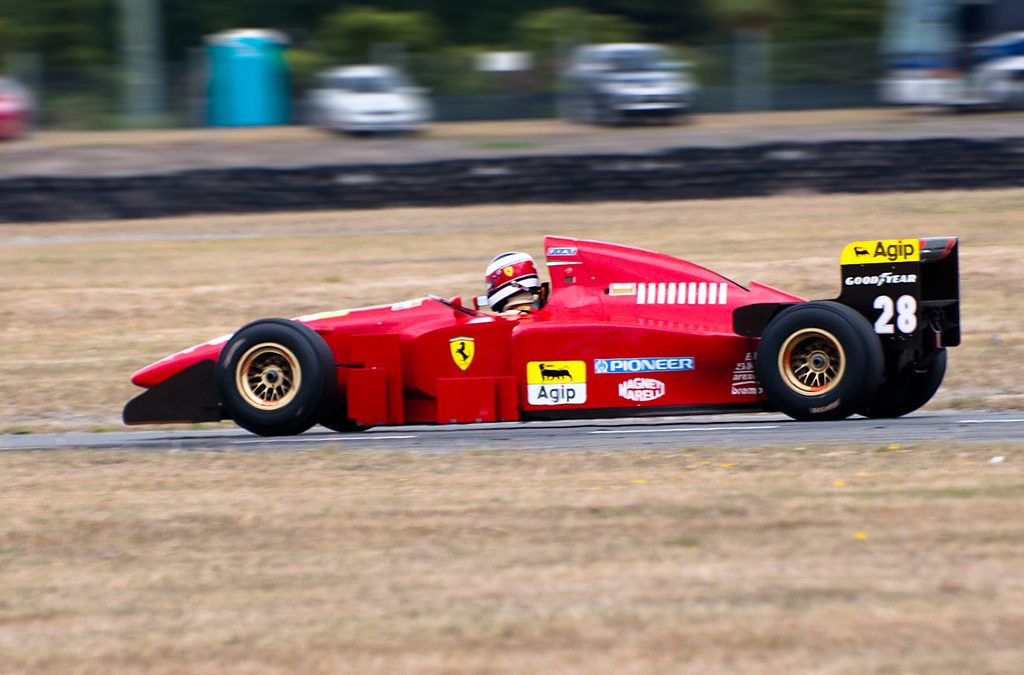
The F1 2026 Australian Grand Prix opens a season defined by the most significant regulatory change since 2022 — and Melbourne always matters more than it should for a round-one race. The data gathered at Albert Park will be analysed with unusual intensity, because the 2026 power unit regulations reset the competitive hierarchy in ways no amount of pre-season testing fully reveals until cars run in race conditions under race pressure.
The 2026 Power Unit Revolution
The new regulations target a 50-50 split between internal combustion power and electrical energy recovery — a fundamental shift in engineering philosophy. In previous generations the hybrid system supplemented the combustion engine. At 50-50 the electrical system is a full partner. Teams cannot optimise primarily for combustion and tune the ERS around it. They must optimise both simultaneously as an integrated system. The teams that committed most heavily to the new architecture will have a power unit advantage in Melbourne that chassis quality alone cannot compensate for.
Cadillac debuts as the 11th constructor — the most significant grid addition since Haas in 2016. Their realistic Melbourne target is not points but information: understanding the 2026 regulations in live race conditions against competitive opposition. That learning is worth more than any single result. Check the Australian GP race results and early constructors’ standings as the new era begins.
Norris Defending the Title
Defending an F1 Championship is structurally harder than winning one. Rival teams spend the winter building toward your car’s weaknesses. Whether McLaren and Norris can stay ahead of that specific targeting — while simultaneously adapting to the 2026 regulations — is the central narrative question of the year. Follow the full F1 calendar to track how the title fight develops.