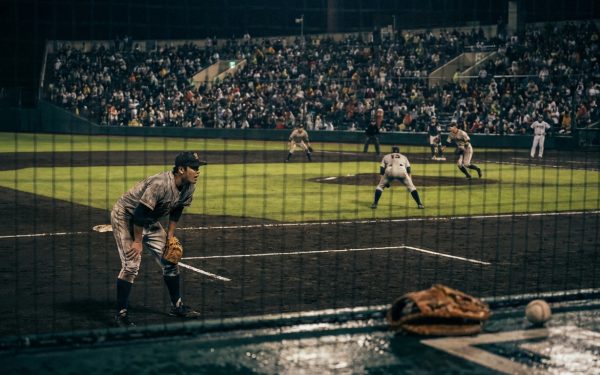





















































































































































MLB spring training statistics receive more analysis than they deserve and less context than they require. Every March, Cactus League and Grapefruit League box scores produce numbers that media coverage treats as evidence and analytical frameworks should treat as noise — or at most, as weak signals requiring careful filtering before any forecasting inference is drawn.
The Stats That Are Actually Useful
Walk rate and strikeout rate stabilise earlier than any contact-based metric, making them the most reliable spring training signal for both pitchers and batters. A pitcher consistently striking out batters at an elevated rate while walking very few across six spring starts is demonstrating genuine command — a skill not dependent on opposition quality the way ERA and BABIP are. A batter with a 15% walk rate in spring is demonstrating plate discipline, a repeatable skill showing up early regardless of whom they faced.
Exit velocity and launch angle tracked through Statcast during spring games are more meaningful than batting average for the same reason — these process metrics reflect swing decisions and bat-to-ball quality that are genuinely repeatable. The teams using these metrics to assess their own roster health in March are making better April roster decisions than those relying on spring batting averages. Check current MLB statistics as the regular season opens March 26.
What You Cannot Trust From Spring
ERA, batting average, and most counting stats from spring are close to useless as predictive instruments. Pitchers aren’t trying to get batters out — they are working on specific pitch sequences in preparation for the regular season. Follow projected division standings from analytical models rather than spring results for honest pre-season evaluation.