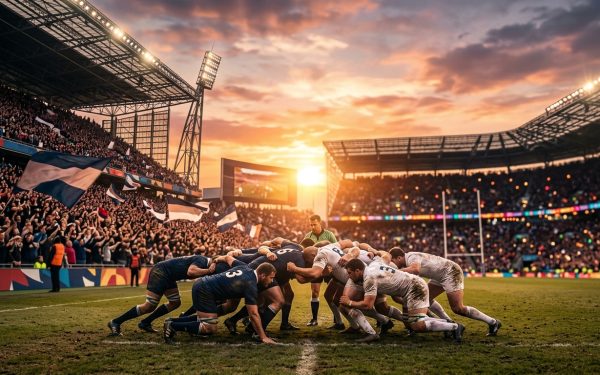





















































































































































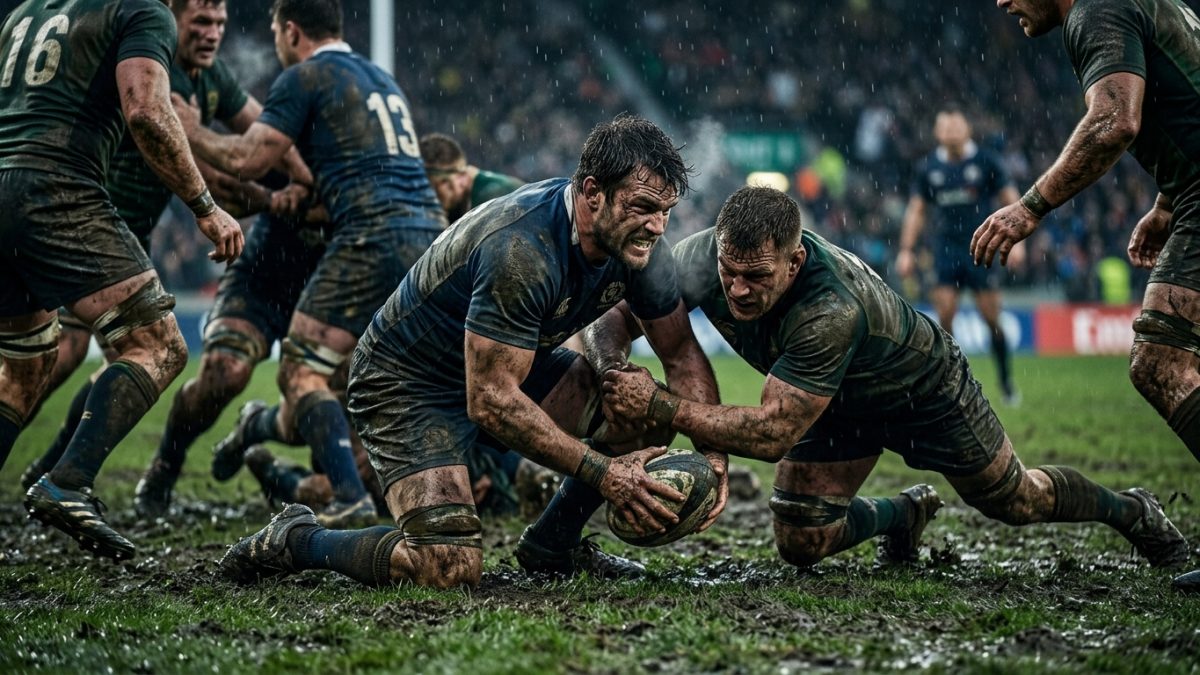
Rugby breakdown tactics winning edge determines more matches than any other single technical area in the modern game — and is the element of rugby least visible to casual observers watching from the stands or through broadcast coverage. The breakdown is the contest between attack and defence for possession after a tackle. It lasts, on average, 1.8 seconds. In those 1.8 seconds, the outcome of the next five phases is often already decided.
Why the Breakdown Is So Consequential
Quick ball — possession recycled within one second of the tackle — allows the attacking team to play before the defensive line is set. A defensive line that is not set cannot apply the structural pressure that makes attacking patterns difficult. Every fraction of a second the breakdown takes beyond one second gives defenders time to organise, narrow, and apply accurate pressure to the subsequent phase. The difference between one-second breakdown ball and three-second breakdown ball is the difference between attacking an unset defence and attacking a defensive system operating at full coherence.
The teams dominating this specific technical area invest heavily in two things: the physical conditioning to contest breakdowns with legal intensity across 80 minutes — because breakdown quality degrades with fatigue before most other technical qualities — and the technical accuracy to compete for the ball at the right moment using legally defensible body positions. The breakdown laws are complex enough that aggressive interpretation produces significant advantage without detection by officials working at speed. Check current match results and analyse which teams are generating the most quick ball across the Six Nations and Premiership seasons.
The World Cup Dimension
In knockout rugby, breakdown dominance is worth more than in the regular competition. A team controlling the breakdown controls the tempo of the match, controls where fatigue accumulates, and controls whether the opposition’s defensive system operates at its designed quality. Follow the international and Premiership standings to identify which teams are building the breakdown excellence required for a 2027 World Cup run.