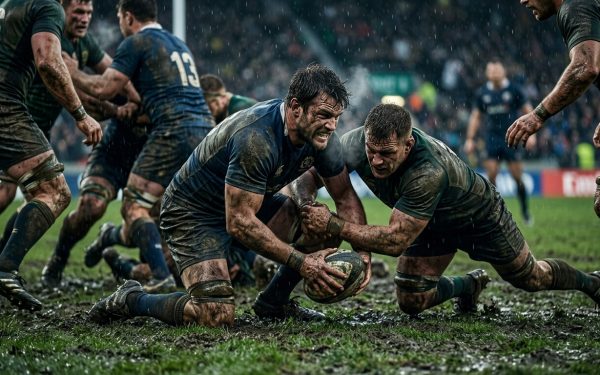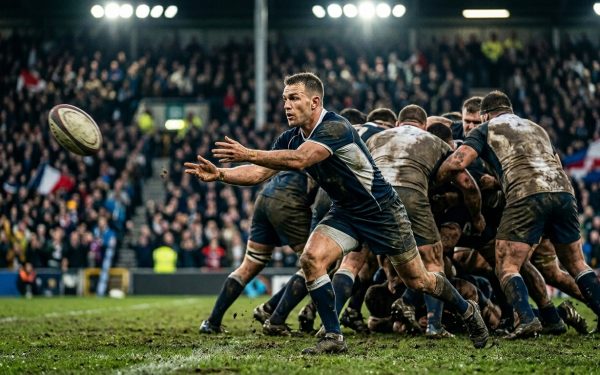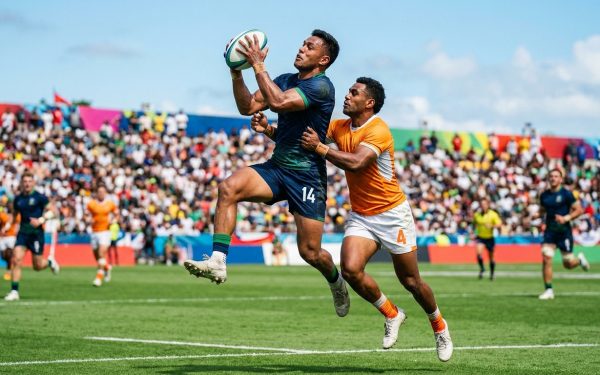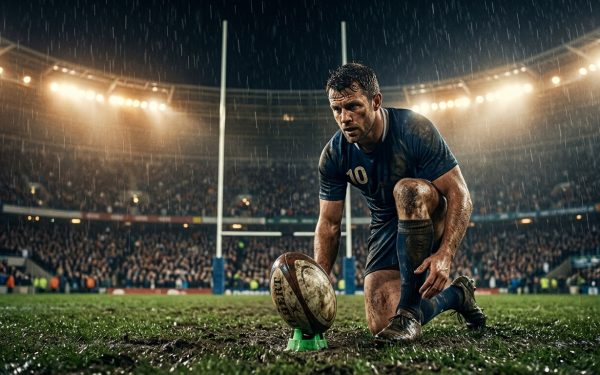























































































































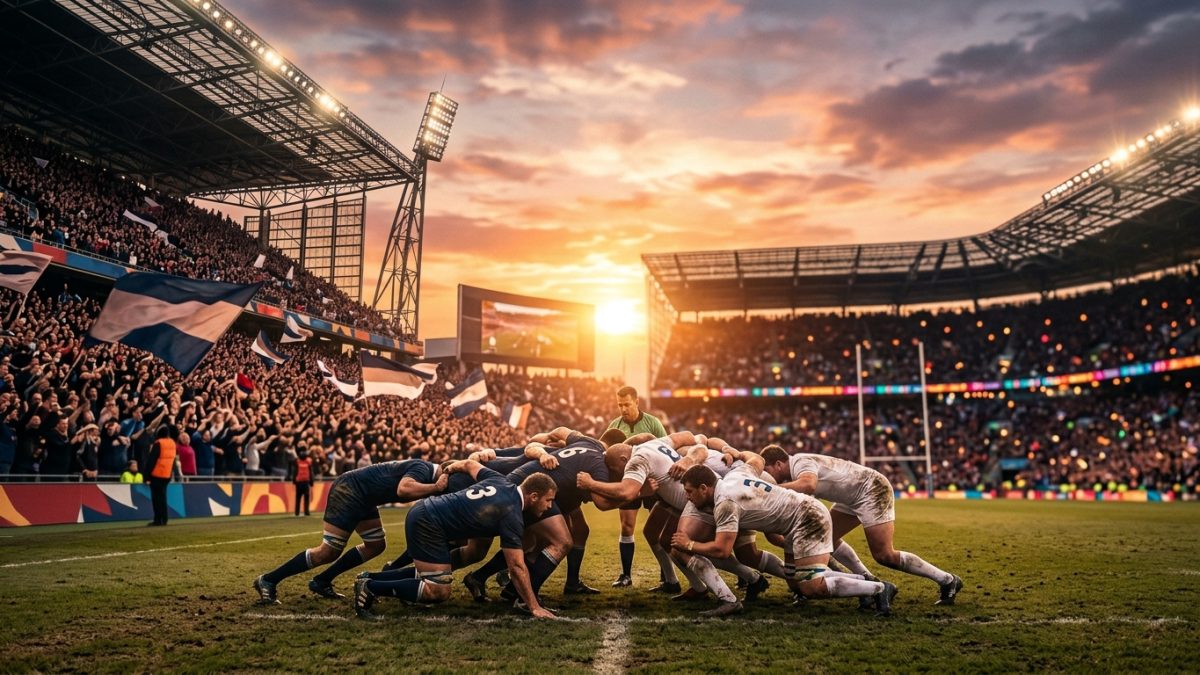
Rugby World Cup 2027 contenders are distinguishing themselves eighteen months before the tournament opens in Australia. The competitive hierarchy taking shape across Super Rugby and the Six Nations is not definitive — form changes, squads evolve, knockout tournament variance introduces genuine uncertainty — but the nations demonstrating the combination of depth, tactical sophistication, and individual talent required to win a World Cup are already identifiable at this distance.
The Southern Hemisphere Landscape
New Zealand have won three World Cups and arrive at each tournament as the benchmark against which every other nation measures themselves. South Africa hold the defending title after winning their fourth in 2023. Australia, hosting for the first time in 25 years, have the specific advantage of home conditions plus the political weight of a nation that hasn’t won on home soil and approaches a tournament with something tangible to prove. These three nations form the uppermost tier of the current World Cup hierarchy, and the competition between them will define the tournament’s central narrative.
Ireland’s development under their current management structure has produced the most complete northern hemisphere team since England’s 2003 generation. France under their current direction are generating the most expansive rugby of any European nation — high-risk, high-reward, capable of beating anyone in the world on a given day. The specific question for both Ireland and France is whether their excellence translates to knockout tournament performance at World Cup level under ultimate pressure. Check the international rankings and follow test match results as the qualification picture develops.
The Dark Horse Field
Argentina have been consistent enough at knockout rugby to demand genuine respect at World Cup level. The Pumas’ physical game and specific tactical discipline in elimination matches has produced results their regular rankings don’t fully predict. Follow current results as the World Cup preparation cycle continues through 2026.