















































































































































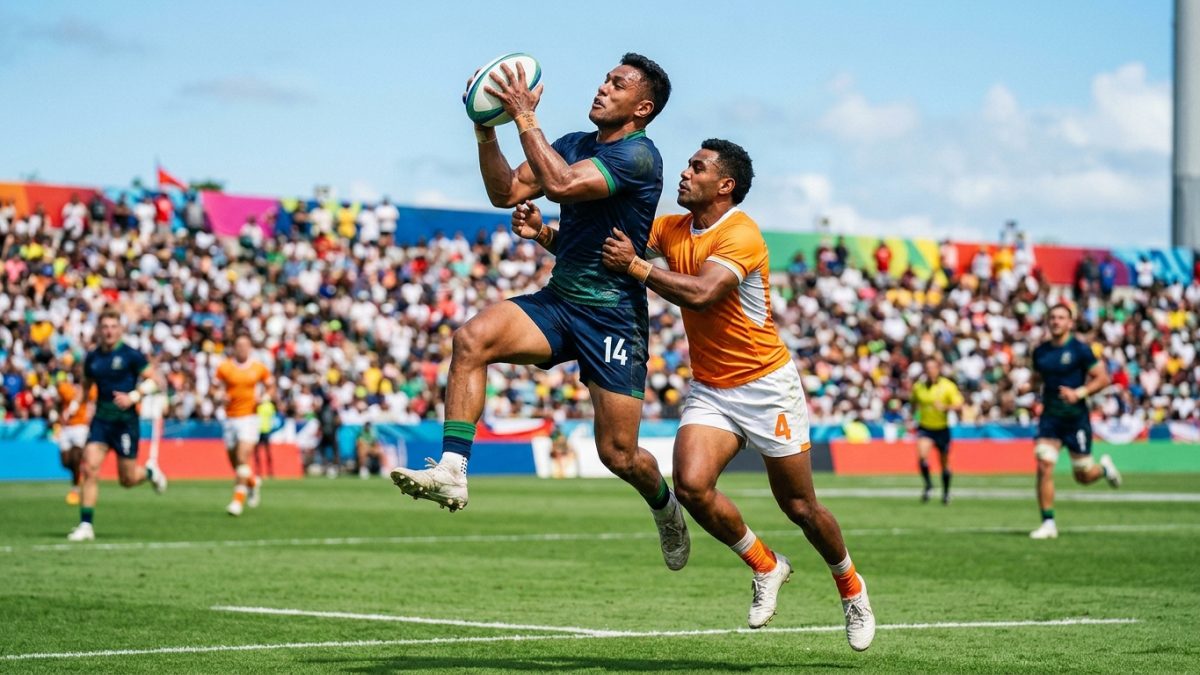
Super Rugby Pacific 2026 RWC preparation function extends beyond the competition’s own standings and results. With the Rugby World Cup scheduled for 2027 in Australia, southern hemisphere nations are using this Super Rugby cycle as a live laboratory — testing systems, developing players, and validating tactical approaches under competitive conditions that Test preparation camps cannot replicate. The competition results matter. What those results reveal about each national programme’s World Cup readiness matters more.
The All Blacks Rebuild in Progress
New Zealand’s Super Rugby franchises are the most accurate available predictor of All Blacks competitive health. When the Blues, Chiefs, Crusaders, and Hurricanes collectively produce players capable of imposing New Zealand’s specific rugby style — high-speed structured play, ruck speed creating quick ball, defensive pressure forcing opponents to play at an unsustainable tempo — the All Blacks tend to perform at the level their resources justify. When Super Rugby reveals pipeline gaps, the test cycle tends to be difficult regardless of the coaching quality applied to the problem.
The specific players emerging at provincial level in 2026 who will be at peak age for the 2027 World Cup are the most valuable data points in the entire competition. A 22-year-old proving they can handle Super Rugby’s physical and tactical demands in 2026 is a 23-year-old available for selection at the World Cup the following year. Check Super Rugby results and the competition table as the season develops through mid-year.
Australia’s Urgent Question
Australian rugby’s World Cup preparation question is whether the talent emerging through Super Rugby is sufficient to be competitive on home soil in 2027. The Waratahs, Reds, Brumbies, and Force results in this campaign tell supporters more about the Wallabies’ real title prospects than any coach statement. Follow the standings for the honest answer.