




















































































































































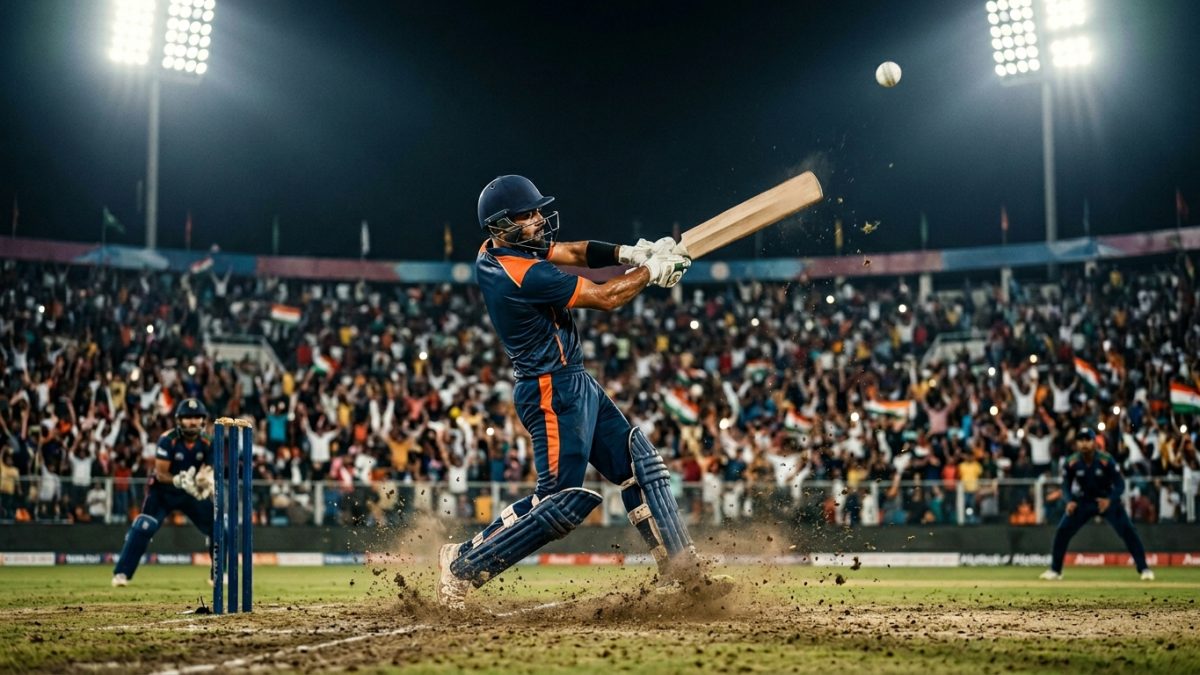
The T20 World Cup ICC format in 2026 governs a game that plays differently to the version the format’s pioneers imagined. Shot-making vocabulary has expanded into directions considered experimental five years ago and now standard in any professional T20 squad’s technical preparation. Bowling responses have kept pace, creating a specific tactical arms race that makes modern T20 cricket technically more demanding than its casual reputation implies.
The Batting Revolution
The scoop, the ramp, the switch-hit — these were curiosities a decade ago. They are now coaching deliverables. International batting coaches identify which variations suit each player’s body geometry and hand strength, develop them in structured training, and deploy them against specific bowling types. The consequence is that bowlers relying on pace and standard trajectory without accounting for the expanded shot range get exposed at international T20 level with increasing regularity.
The power play has become the most analytically studied passage in T20 cricket. The optimal power play strategy — how many wickets a team can afford to risk in exchange for run rate in the first six overs — varies by pitch, atmospheric conditions, and opposition bowling quality. Teams with the most sophisticated power play models, using ball-tracking data from their own batters’ outcomes and opponent bowling patterns, have measurably better run rates in overs one through six. Check T20 international scores as the format continues to develop through 2026.
The Expanded Format’s Impact
More associate nations in the T20 World Cup creates both opportunity and vulnerability for elite teams. An unexpected result against a lower-ranked opponent can complicate group progression. Follow ICC T20 rankings for the current global picture.