




















































































































































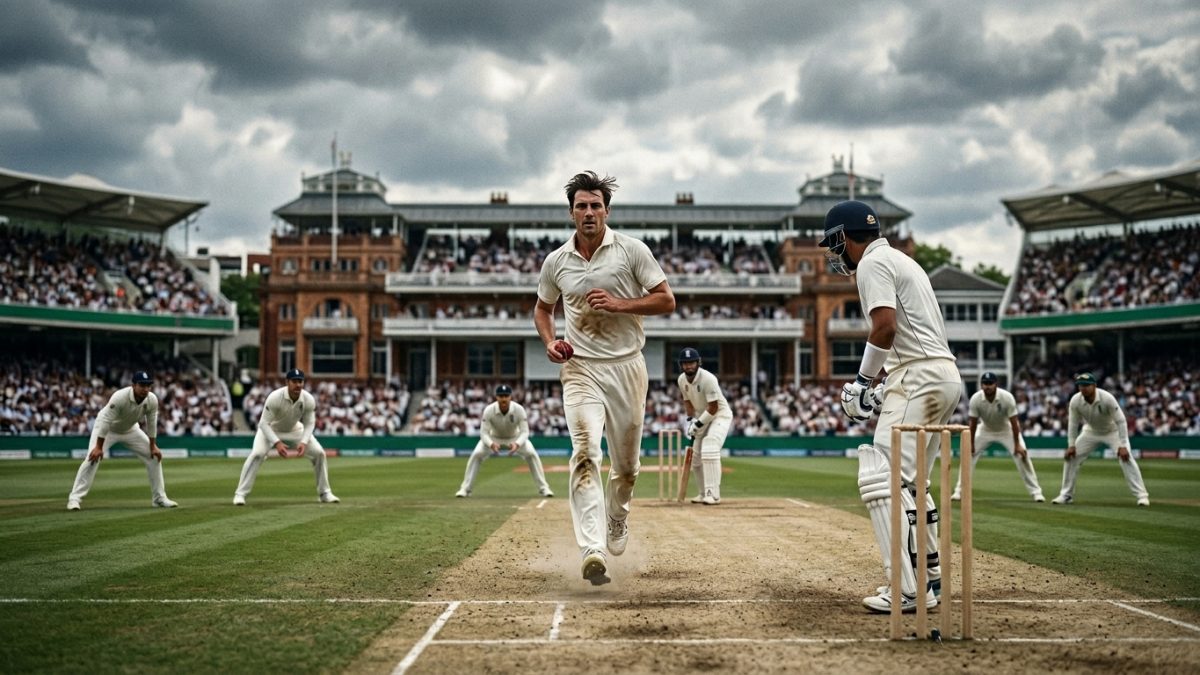
Test cricket survival ICC future discussions have moved past cultural arguments into structural economics — and the economic picture is not reassuring for the format’s long-term viability. The cultural case for Test cricket remains entirely valid: narrative richness, history, drama no other sport replicates. But cultural arguments do not fund broadcast rights packages, and broadcast rights packages are what fund the player contracts determining whether Test cricket retains its best talent.
The Economic Architecture Is Broken
The IPL generates more broadcast revenue in two months than most Test-playing nations generate from an entire bilateral series calendar. The consequence is visible in player decision-making: T20 franchise contracts pay more, require less physical commitment, and carry lower injury risk than five-day cricket. The rational economic choice for most elite players is to reduce Test commitments in favour of franchise availability. Several have made that choice explicitly. More are making it implicitly by declaring unavailability for rest around major franchise tournaments.
The ICC’s World Test Championship was designed partly to give Tests a competitive stakes structure that could compete with franchise cricket’s narrative clarity. It has worked partially — the WTC Final carries genuine prestige. But it hasn’t solved the fundamental economics of why Test cricket is structurally undervalued by broadcast markets outside England and Australia. Check ICC Test rankings and the current Test schedule as the WTC cycle continues.
The Narrow Window
Franchises benefiting from the talent drain have no direct incentive to redistribute revenue toward Test cricket. The ICC lacks enforcement mechanisms to require it. The window for a negotiated solution is narrow and closing. Follow Test match results as the WTC cycle develops through 2026.