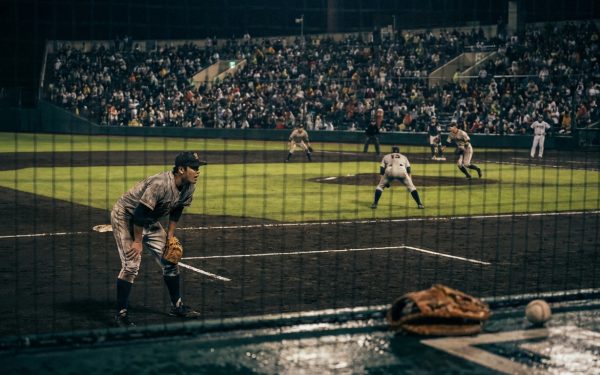

















































































































































The World Baseball Classic 2026 preview begins with an acknowledgement of what the tournament has become: not a commercially motivated experiment but the sport’s most genuinely compelling international event. The 2017 edition established that MLB-level players would compete at full intensity for national teams. Every subsequent edition confirmed the competitive quality, the cultural significance to baseball nations outside the United States, and the specific appeal of watching elite players in an unfamiliar team competition context.
The Spring Training Window Problem
The WBC window directly overlaps MLB spring training, creating the perennial tension for team managers: how much to push elite pitchers in a tournament carrying national pride but preceding a 162-game regular season. Teams navigating this most successfully tend to be those with the deepest pitching depth, where no single arm carries disproportionate tournament weight. The defending champion faces specific pressure managing this calculation with a target on their back from every opponent’s preparation team.
The bracket structure rewards hot starts significantly. A dominant pool phase creates favourable knockout bracket positioning, while a group stage stumble can produce a path through stronger opponents in elimination rounds. The WBC’s format amplifies the importance of opening-round pitching decisions. Check live WBC scores and group standings as the tournament begins.
Who Arrives Best Positioned
Teams with the broadest MLB talent spread — multiple high-quality starters across all roster positions — historically outperform in tournament context versus teams whose advantage is concentrated in two or three elite players. Follow the tournament bracket through the elimination rounds.